Dubai’s AED 2 Billion Latifa Bint Hamdan Corridor: What It Means for Property Buyers
Dubai has announced another major infrastructure project, and this one matters for property buyers, residents, landlords and investors watching the city’s long-term growth corridors.
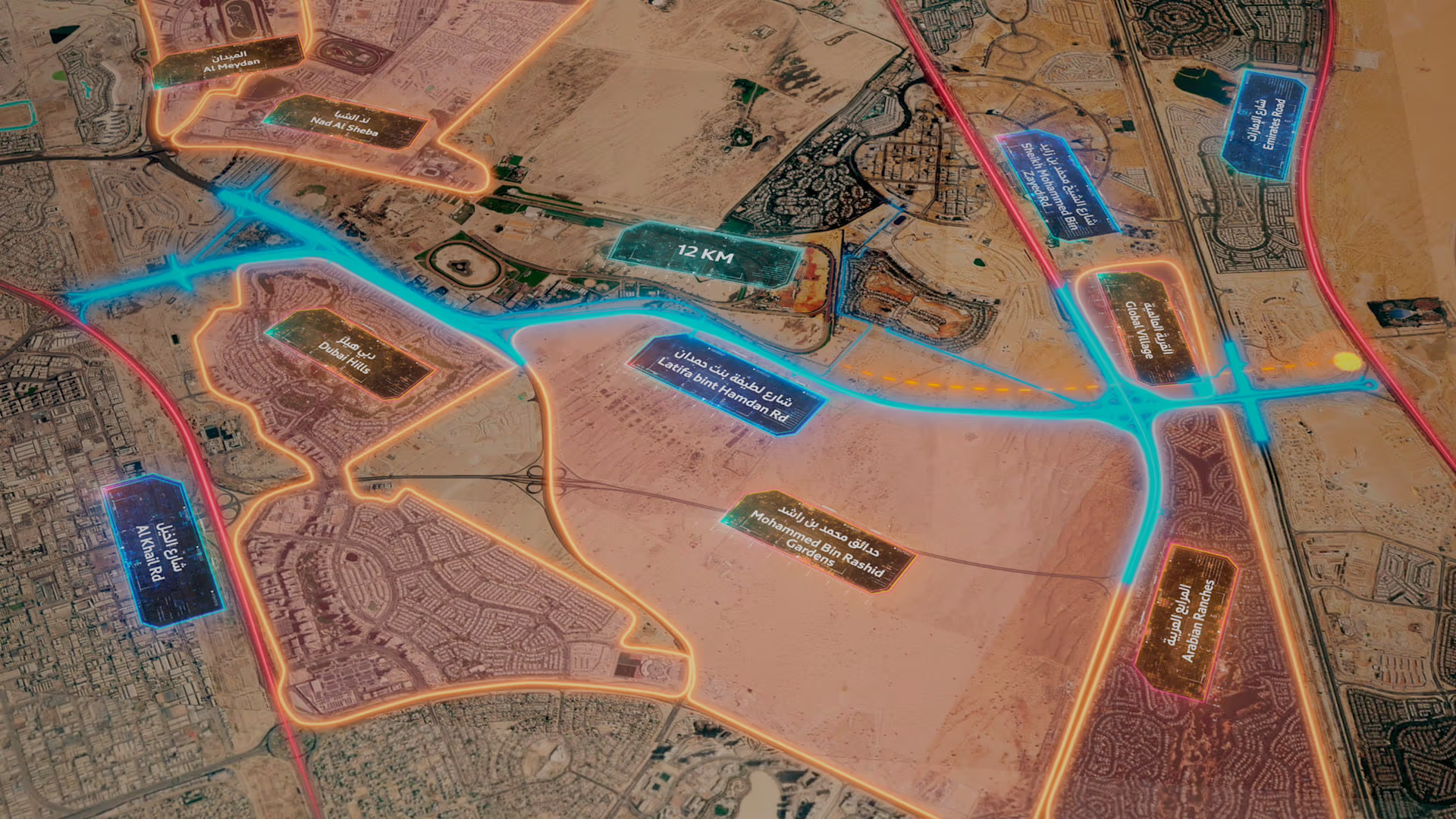
The Latifa Bint Hamdan Corridor Development Project is an AED 2 billion road project led by Dubai’s Roads and Transport Authority. The 12-kilometre corridor is expected to improve east-west movement across Dubai, connect several major roads, support growing residential communities and reduce travel time between Umm Al Sheif Street and Emirates Road from around 33 minutes to 15 minutes by the end of 2028.
For Dubai real estate, the key point is simple: better connectivity can change how communities function. It can improve daily commutes, support buyer confidence, make emerging areas more practical and strengthen long-term demand around well-connected residential districts.
What Is the Latifa Bint Hamdan Corridor?
The Latifa Bint Hamdan Corridor is a major road infrastructure project designed to improve connectivity between some of Dubai’s busiest transport routes.
The corridor is expected to connect and support movement between Sheikh Zayed Road, Al Khail Road, Al Meydan Street, Sheikh Mohammed Bin Zayed Road, Sheikh Zayed Bin Hamdan Al Nahyan Street and Emirates Road.
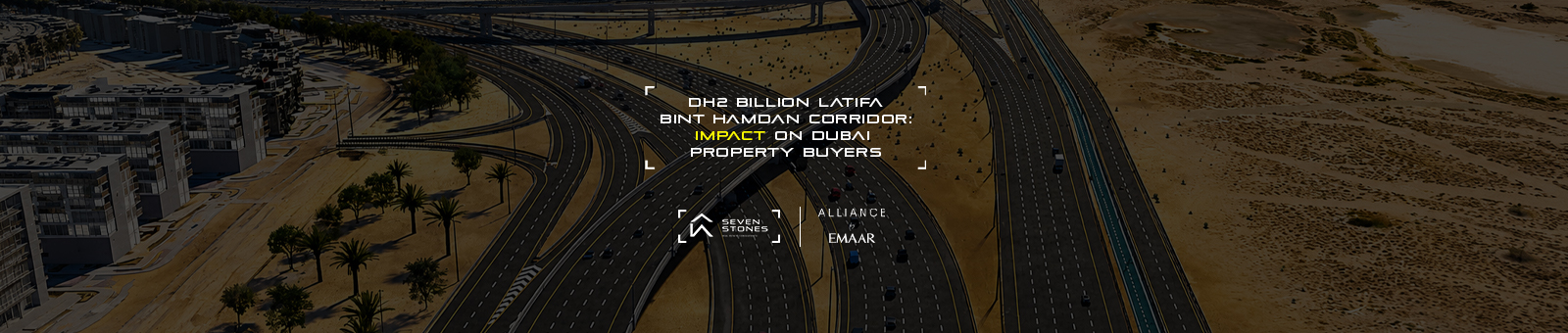
The development includes new bridges, tunnels, multi-level free-flow intersections, expanded road capacity and cycling tracks.
For readers following Dubai property news and infrastructure updates, this is not just a road announcement. It is a connectivity upgrade that may influence how residents move between established and growing communities across the city.
Key Project Details
| Project | Latifa Bint Hamdan Corridor Development Project |
| Project Value | AED 2 billion |
| Length | Approximately 12 kilometres |
| Expected Completion | End of 2028 |
| Travel Time Impact | Expected to reduce travel time between Umm Al Sheif Street and Emirates Road from 33 minutes to 15 minutes |
| Capacity | Up to 16,000 vehicles per hour in both directions |
| Daily Trips | Expected to handle around 130,000 trips daily |
| Residents and Visitors Served | More than 650,000 residents and visitors |
| Major Structures | Seven bridges, eight tunnels and multi-level intersections |
| Cycling Tracks | 12.5 kilometres of cycling tracks |
Which Areas Will Benefit?
The Latifa Bint Hamdan Corridor is expected to improve connectivity for several existing and upcoming communities across Dubai, including Dubai Hills Estate, Nad Al Sheba, Al Barari, District One, Mohammed Bin Rashid Gardens, Living Legends, Majan and Global Village.
It will also serve residential, commercial and industrial areas along Latifa Bint Hamdan Street and Al Meydan Street, while improving movement between major corridors such as Al Khail Road, Dubai-Al Ain Road, Umm Suqeim Road and Sheikh Mohammed Bin Zayed Road.
This matters because many of these locations are already important residential and investment zones. Some are established luxury or family communities, while others are growing areas with new development, rising population and stronger long-term infrastructure needs.
For buyers comparing different parts of the city, Seven Stones’ Dubai communities page can also help you explore how location, developer planning, lifestyle and connectivity shape long-term property decisions.
Why This Road Project Matters for Dubai Real Estate
In Dubai, infrastructure is one of the strongest long-term drivers of how communities mature. Roads, metro lines, bridges, cycling routes and public transport links can influence how buyers and tenants compare one area against another.
The Latifa Bint Hamdan Corridor may support the property market in several ways:
- Better daily access: Shorter travel times can make communities more practical for residents.
- Improved buyer confidence: Large infrastructure investment can strengthen confidence in long-term area planning.
- Stronger community appeal: Areas with smoother access often become easier to live in, rent and resell.
- Support for future development: New road capacity can help growing residential and mixed-use districts handle population growth.
- Better movement between communities: The project is designed to connect several major corridors, which may improve cross-city travel.
This does not mean property prices automatically increase because of one road project. Buyers should still compare entry price, building quality, service charges, rental evidence, community maturity and long-term demand. But infrastructure like this can improve the way an area functions, and that is important in real estate decision-making.
Travel Time Reduction: From 33 Minutes to 15 Minutes
One of the biggest announced benefits is the expected reduction in travel time between Umm Al Sheif Street and Emirates Road.
The journey is expected to drop from around 33 minutes to 15 minutes, reducing travel time by more than half. For residents, that can mean shorter daily commutes, easier access across key communities and smoother movement between major roads.
For landlords and investors, better access may also improve tenant appeal. Tenants often compare communities based on commute convenience, school access, nearby roads, retail access and lifestyle. A community that becomes easier to reach may become more competitive over time.
How the Project Supports Dubai’s Long-Term Growth
Dubai’s population and residential footprint continue to expand, and the city’s infrastructure has to keep pace. The Latifa Bint Hamdan Corridor is designed to support future mobility needs by increasing road capacity and improving traffic distribution between major routes.
The project also supports the wider direction of the Dubai 2040 Urban Master Plan, which focuses on sustainable urban growth, better mobility and improved quality of life across the emirate.
The addition of 12.5 kilometres of cycling tracks is also important. Dubai is not only expanding roads for cars. It is also adding more cycling and alternative mobility infrastructure, which supports healthier, more connected communities.
What It Means for Property Buyers
For property buyers, the Latifa Bint Hamdan Corridor is worth watching because it may affect how several communities are perceived by the time the project is complete in 2028.
Buyers looking at communities such as Dubai Hills Estate, Nad Al Sheba, Al Barari, District One, Majan and nearby development zones should consider how improved connectivity could change daily living convenience.
For end-users, the main benefit is lifestyle practicality. A home is not only about the building or the community. It is also about how easy it is to reach work, schools, retail, parks, family destinations and key roads.
For investors, the main benefit is future positioning. Infrastructure upgrades can make a location more attractive to tenants and future buyers, especially when they improve access to multiple major roads.
What It Means for Landlords
Landlords should look at this project through the lens of tenant demand. Tenants in Dubai often choose communities based on rent, commute time, school access, traffic, parking, building quality and nearby amenities.
If the corridor improves movement and reduces travel time as expected, communities along or near the route may become easier to market to tenants who need cross-city access.
This can be especially useful for family communities and mid-to-long-term rental locations where daily commute convenience plays a major role in tenant decisions.
What It Means for Investors
For investors, the Latifa Bint Hamdan Corridor should be viewed as a long-term infrastructure signal.
The project is scheduled for completion by the end of 2028, so buyers should not price in the full benefit immediately. Instead, they should track how the corridor develops, which communities benefit most directly, how traffic patterns change and whether tenant demand strengthens in connected areas.
The strongest investment approach is to combine infrastructure news with real property fundamentals. That means checking:
- Current transaction prices
- Rental evidence
- Service charges
- Community maturity
- Developer reputation
- Unit layout and view
- Supply pipeline
- Distance from the new corridor
Infrastructure can support demand, but the right property still matters more than the headline. Buyers who want a broader view of Dubai’s residential areas can explore the full Seven Stones community guide or speak with an advisor through Seven Stones Real Estate.
Communities to Watch After the Announcement
The project is especially relevant for buyers comparing communities across central and wider inland Dubai.
Dubai Hills Estate
Dubai Hills Estate is already a strong family and investor community because of its parks, mall, schools, villas, apartments and master-planned layout. Improved road movement around nearby corridors can support daily access and long-term community convenience.
Nad Al Sheba
Nad Al Sheba is one of the areas expected to benefit from the project. Better connectivity may support its appeal for families and buyers who want larger residential layouts with improved access to the wider city.
Al Barari
Al Barari is a premium green community with a distinct lifestyle identity. Improved connectivity can help support access for residents while preserving its appeal as a private, low-density residential destination.
District One
District One is closely tied to Mohammed Bin Rashid City and luxury residential demand. Better road movement across connected corridors may improve convenience for residents and visitors.
Majan and Living Legends
Majan and Living Legends may benefit from improved movement because connectivity is a key factor for buyers comparing emerging and value-focused communities. Better access can support long-term livability and tenant appeal.
Should Buyers Act on This News Now?
Buyers should not rush into a purchase only because of one infrastructure announcement. However, they should include the Latifa Bint Hamdan Corridor in their area research if they are considering communities expected to benefit from the project.
The best approach is to ask three questions:
- Will the project make this community easier to access?
- Will the improvement matter to the type of tenant or buyer this property attracts?
- Is the current price still reasonable without assuming future gains?
If the answer is yes, the project may strengthen the long-term case for the area. If the price already assumes too much future upside, buyers should be more careful.
Seven Stones Real Estate View
The Latifa Bint Hamdan Corridor is another example of how Dubai continues to build infrastructure ahead of future demand. For real estate, this supports long-term market confidence, especially in communities where access, commute time and connectivity are major buyer concerns.
For buyers and investors, the opportunity is not simply “buy near a new road.” The smarter approach is to understand which communities benefit most, which properties are priced fairly today and which locations may become more practical as the project moves toward completion.
Seven Stones Real Estate can help buyers compare communities, understand infrastructure impact and identify properties that fit their lifestyle, rental or investment goals.
Speak to Seven Stones Real Estate
Frequently Asked Questions
What is the Latifa Bint Hamdan Corridor?
The Latifa Bint Hamdan Corridor is a major Dubai road infrastructure project designed to improve connectivity between key transport routes, including Sheikh Zayed Road, Al Khail Road, Al Meydan Street, Sheikh Mohammed Bin Zayed Road and Emirates Road.
How much does the Latifa Bint Hamdan Corridor cost?
The project has been awarded at a cost of AED 2 billion.
When will the Latifa Bint Hamdan Corridor be completed?
The project is expected to be completed by the end of 2028.
How much will the project reduce travel time?
The project is expected to reduce travel time between Umm Al Sheif Street and Emirates Road from around 33 minutes to 15 minutes.
Which communities will benefit from the Latifa Bint Hamdan Corridor?
Areas expected to benefit include Nad Al Sheba, Al Barari, Dubai Hills Estate, District One, Mohammed Bin Rashid Gardens, Living Legends, Majan, Global Village and areas along Latifa Bint Hamdan Street and Al Meydan Street.
Will the project benefit Dubai Hills Estate?
Yes. Dubai Hills Estate is one of the communities expected to benefit from improved connectivity linked to the project. This may support daily access and long-term community convenience.
How many vehicles will the corridor handle?
The corridor is expected to accommodate up to 16,000 vehicles per hour in both directions and around 130,000 trips daily.
Will the project include cycling tracks?
Yes. The project includes 12.5 kilometres of cycling tracks that are expected to connect with Dubai’s wider cycling network.
Can this road project affect Dubai property prices?
Better infrastructure can support buyer confidence and improve community appeal, but it does not guarantee price growth. Buyers should still check current prices, rental evidence, service charges and long-term demand before making a decision.
Is this project important for Dubai property investors?
Yes. It is important because connectivity affects how communities function. Investors should monitor how the project improves access, tenant demand and long-term livability in nearby communities.